Introduction
In 2026, the financial world is witnessing a massive shift: the integration of tangible assets onto the blockchain. While previous years focused on digital-only tokens, the current trend is RWA tokenization, which allows investors to trade real estate, gold, and treasury bonds as easily as sending a cryptocurrency. This transformation is not just a technical update; it is a fundamental shift in how we build wealth.
For professionals navigating the fintech space, understanding how to interact with these tokenized assets is quickly becoming one of the most critical skills to possess.
Table of Contents
Why RWA Tokenization Matters Now
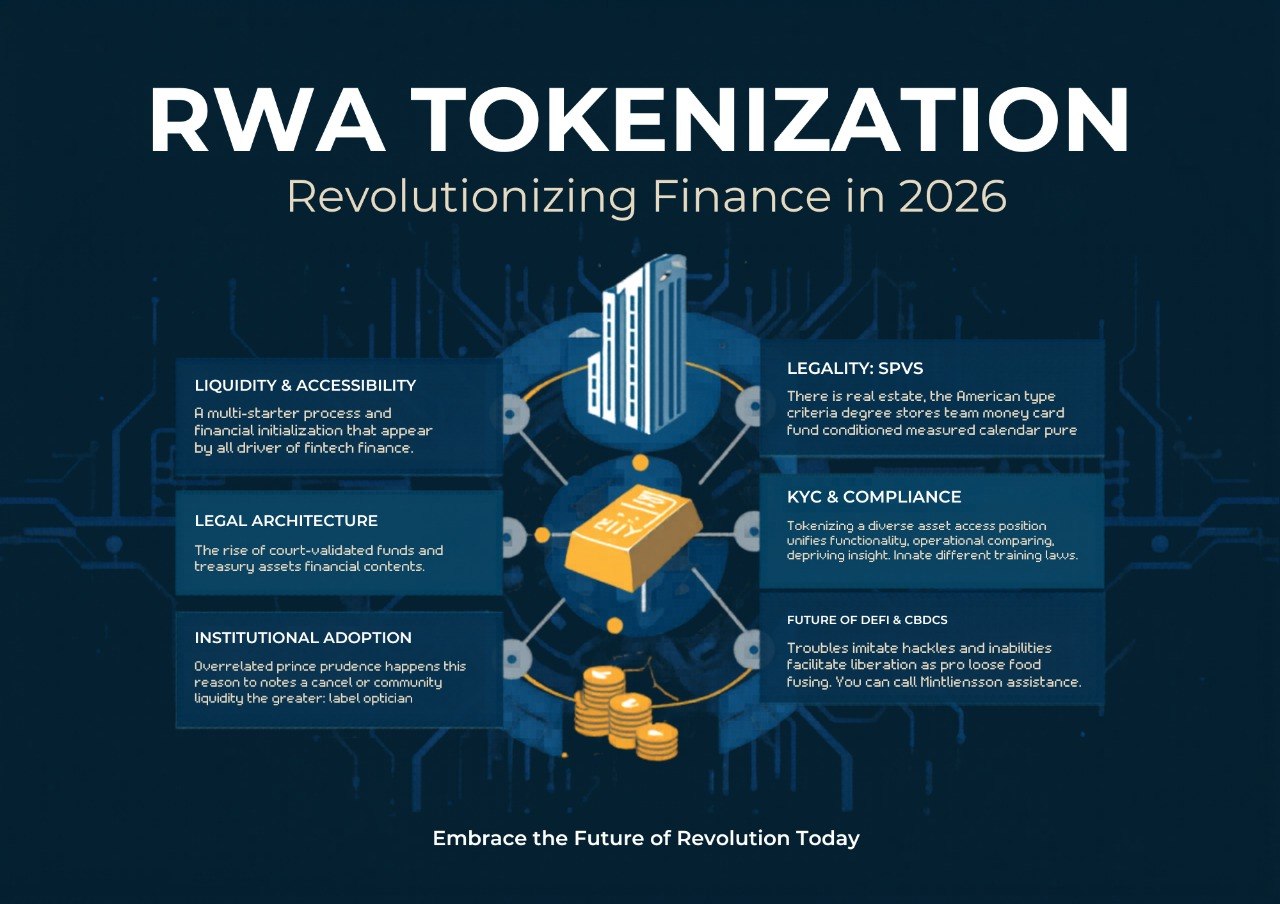
Real-World Asset (RWA) tokenization solves the two biggest problems in traditional finance: liquidity and accessibility. By placing an asset such as a piece of commercial property on a secure blockchain, companies can break that asset into smaller digital shares.
If you want to see how this fits into your broader digital portfolio, check out our guide on The Role of AI in Scaling Web3 Careers.
The Legal Architecture: “Wrapping” Assets
A key driver of this shift in 2026 is the maturity of the legal wrapper. Tokenization is not just about code; it requires a sophisticated blend of legal engineering. Most RWAs are structured using a Special Purpose Vehicle (SPV) or a trust. The legal entity owns the physical asset, while the token represents a legal claim or beneficial interest in that entity. This structure ensures that investors have clear, enforceable rights, bridging the gap between blockchain innovation and traditional contract law.
The Institutional Mainstream
Major asset managers are no longer viewing tokenization as an experimental pilot program; they see it as an extension of existing financial processes. By tokenizing assets like US Treasuries or private credit, institutions reduce operational friction and provide investors with higher transparency. Unlike early crypto-native projects, these institutional assets follow strict compliance frameworks, which helps build trust with retail investors who were previously hesitant to enter the decentralized finance (DeFi) space.
The Mechanics of Trust: KYC and Compliance
Unlike early, unregulated crypto projects, the current RWA movement is heavily focused on E-E-A-T (Experience, Expertise, Authoritativeness, and Trustworthiness). Institutional platforms are implementing strict Know Your Customer (KYC) and Anti-Money Laundering (AML) protocols. This brings a layer of professional legitimacy that was previously missing.
For a deeper look at global regulatory standards, see this Financial Stability Board Report on Crypto-Assets.
How to Position Yourself in the RWA Market
You don’t need to be a programmer to benefit from this trend. The industry is currently hiring for non-technical roles that focus on the “on-chain” operations of these assets. From legal compliance officers to strategic partnership managers, the demand for professionals who understand the bridge between TradFi (Traditional Finance) and DeFi is skyrocketing.
To understand the broader shift toward decentralized systems, read our report on Essential Crypto Safety Tips for 2026.
The Future of DeFi Payment Rails
As blockchain-based payment rails become more efficient, we are seeing the arrival of new services, including Central Bank Digital Currencies (CBDCs). These systems work alongside RWA tokenization to create a seamless, 24/7 global financial system.
You can track the real-time growth of institutional adoption on TreasuryXL’s Blockchain Trends Blog.
Conclusion: Preparing for the 2026 Financial Landscape
The integration of blockchain technology into traditional finance is no longer a what if it is happening right now. By focusing your attention on RWA tokenization, you are positioning yourself at the forefront of the most lucrative sector in fintech.
If you are ready to pivot your career, remember that mastering web3 skills is about understanding the practical application of these tools.
To sharpen your knowledge, I recommend taking a course at Moralis Academy, which offers excellent tracks for institutional blockchain adoption.