
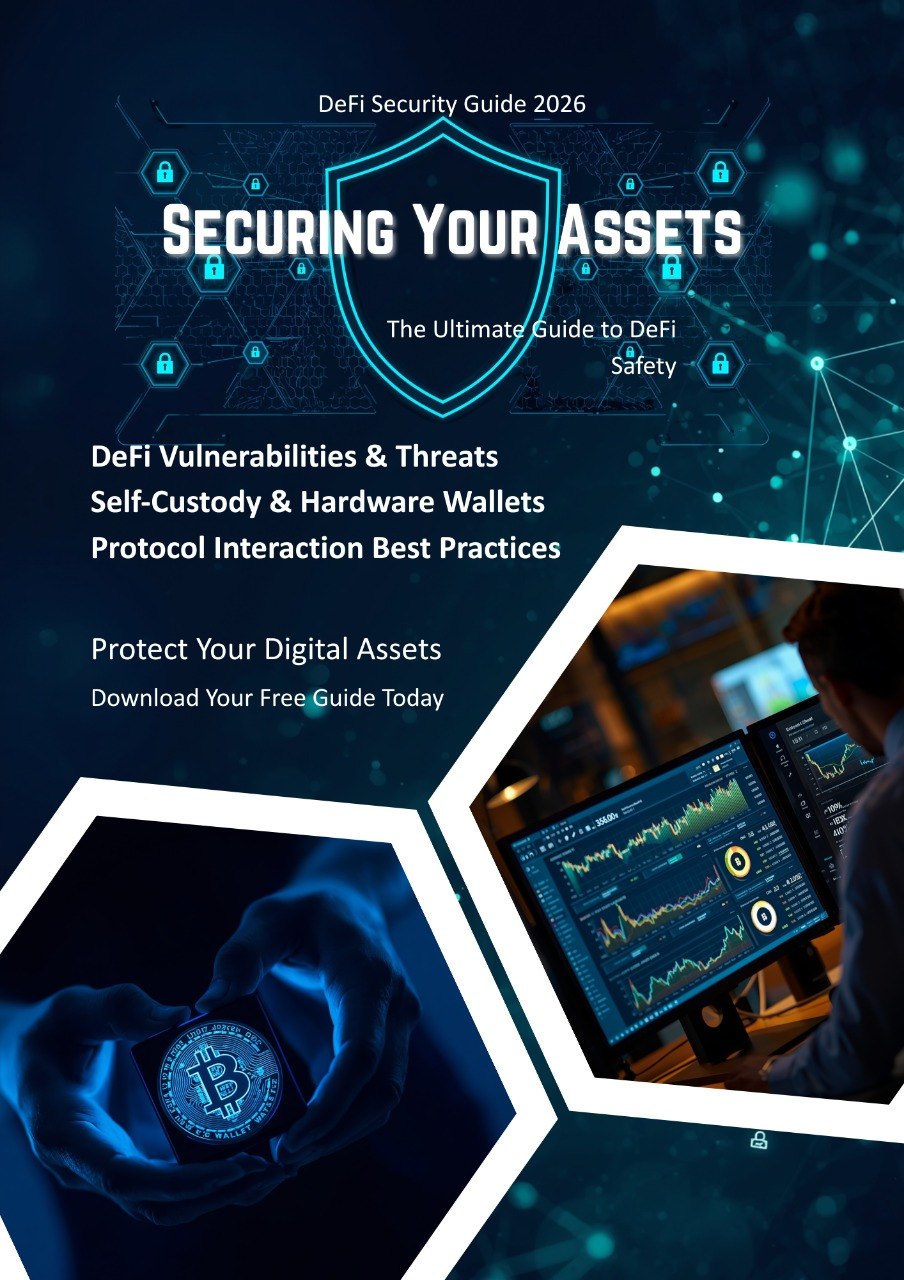
Introduction
As Decentralized Finance (DeFi) Security matures, it is transforming from a niche experimental sector into a foundational pillar of global finance. However, with this rapid growth comes increased attention from malicious actors. Protecting your digital assets in a decentralized environment requires more than just a strong password; it demands a proactive, security-first mindset.
Table of Contents
Whether you are a seasoned liquidity provider or a newcomer to the DeFi ecosystem, understanding the latest security protocols is essential to safeguarding your digital portfolio.
1. Understanding DeFi Vulnerabilities
DeFi security protocols operate on open-source code, which provides necessary transparency but also grants visibility to potential attackers. Common threats in 2026 include smart contract vulnerabilities, flash loan attacks, and sophisticated phishing campaigns designed to drain user wallets. By familiarizing yourself with these risks, you can better navigate the landscape without falling victim to common pitfalls.
2. The Power of Self-Custody
The most fundamental rule of Web3 is “not your keys, not your coins.” Utilizing self-custody solutions, specifically hardware wallets, is the most effective way to minimize your attack surface. Unlike custodial exchanges, a hardware wallet ensures that your private keys never leave the physical device, providing an air-gapped layer of security that software wallets simply cannot match. If you are interacting with high-value DeFi protocols, a hardware wallet is not optional it is a necessity.
3. Best Practices for Protocol Interaction
Before depositing capital into any DeFi protocol, perform your own due diligence.
- Audit Transparency: Always check if the protocol has been audited by reputable third-party firms. Look for recent audit reports and ensure they cover the specific version of the smart contract you are interacting with.
- Diversification: Never put all your liquidity into a single protocol. Spreading your assets across different chains and platforms mitigates the risk of a “single point of failure” if one contract is compromised or suffers a technical glitch.
- Smart Contract Monitoring: Use tools that provide real-time alerts on your wallet activities. As discussed in our [internal link: guide to personal Web3 security], staying updated on your portfolio’s health is a proactive defense mechanism.
- Revoke Permissions: Regularly audit the token approvals you have granted to various dApps. Using a “token revoker” tool allows you to close off access to your wallet from protocols you no longer interact with, effectively locking the door behind you.
4. The Role of Decentralized Identity (DID)
In 2026, Decentralized Identity (DID) is becoming a gamechanger for DeFi security. By using DIDs, you can prove your eligibility for certain protocols without revealing sensitive personal information, drastically reducing the risk of identity theft during interactions. This privacy-preserving tech ensures that your financial history remains yours alone. For a deeper look at how this is evolving, review the [external link: latest report from the World Economic Forum on digital identity frameworks].
5. Staying Proactive in a Changing Landscape
Security is not a “set it and forget it” task. As the industry evolves, so do the threats. Regularly updating your software, auditing your token approvals, and remaining vigilant against social engineering are the hallmarks of a secure investor.
By prioritizing DeFi security today, you ensure that you can participate in the growth of the decentralized economy with confidence. Remember, in the world of Web3, you are your own bank act with the level of caution that responsibility demands.
Ultimately, the goal of DeFi is to grant you unprecedented control over your financial destiny. By combining robust technological tools like hardware wallets with an informed, security-first mindset, you turn the risks of the frontier into the rewards of true financial sovereignty. Stay vigilant, keep learning, and trade with confidence.